
Stay in Touch
Get sneak previews of special offers & upcoming events delivered to your inbox.

Over the past decade the kitchen has become a cross-roads where smart engineering meets home-grown flavor. New-generation ovens circulate air like mini wind tunnels; countertop devices give a golden “fried” crunch with barely a teaspoon of oil; electric pressure cookers transform stubborn stewing beef into silky ragù in the time it takes to set the table. When appliances shoulder the precision work, we get to enjoy the creative part, choosing spices, plating, and sharing face-to-face meals instead of hovering over stovetops. This guide unpacks how today’s most-talked-about cookers work, which one belongs on your counter, and the small techniques that turn machinery into magic.
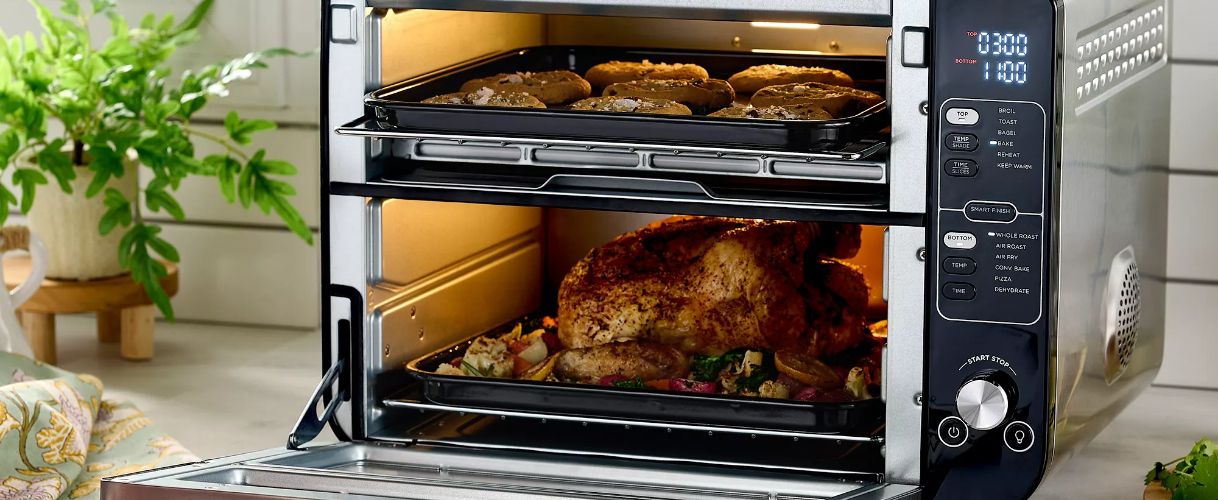
Open the door of a convection model while it’s pre-heating and you’ll feel a gentle whoosh of air, that fan is the secret to its speed. By circulating hot air around every rack, convection eliminates the little hot and cool pockets that plague traditional radiant ovens. Roasting a chicken becomes an exercise in perfection: skin blistered evenly from wing to thigh, juices humming inside the breast, and the whole bird ready twenty minutes earlier than the recipe promised. Biscuits rise higher, cookies brown edge-to-edge, and last night’s pizza reheats shatter-crisp instead of limp.
Yet there is still a place for a conventional setting. Steady, undisturbed heat is kinder to delicate soufflés, custards, and angel-food cakes that need gentle lift without a draft. Many modern ranges give you a choice at the press of a button. Think of convection as your everyday workhorse, quick weeknight sheet-pan dinners, Saturday batch-baking, holiday turkey, while the conventional mode is your serene Sunday baker, cradling fragile desserts.
Shopping insight: dual-mode ovens cost only slightly more than single-mode and future-proof your kitchen for any recipe you discover down the road.
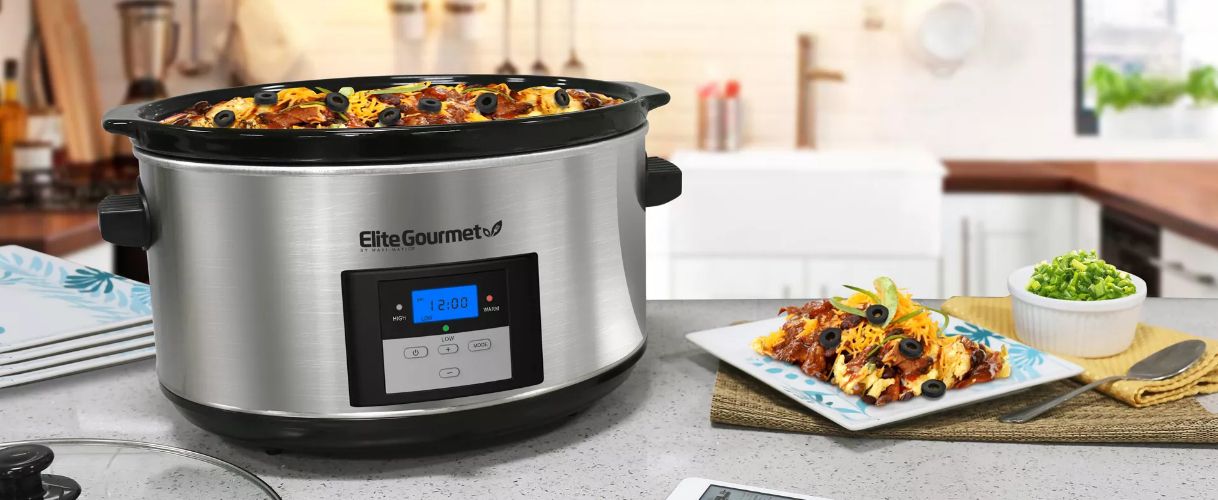
Slow cooking was once synonymous with Grandma’s ceramic cooker simmering away on the counter. The signature stoneware inserts heat from all sides, bathing stew in a steady hug of low temperature that coaxes collagen into silk and melds spices into one another. Over time the term “slow cooker” expanded to include digital stainless-steel models and multi-cookers with slow-cook presets, but their promise is the same: start breakfast, leave for work, and return to an aroma that feels like a welcome-home hug.
Which style suits you? If you adore no-fail pot roasts and prefer a set-it-and-forget-it knob, the classic ceramic insert excels. If you like browning onions or searing brisket in the same pot before the long simmer, a metal-insert slow cooker or a pressure-plus-slow combo unit gives that extra step without dirtying a pan. Either way, low heat plus ample moisture translates into melt-apart texture.
Recipe inspiration: combine pork shoulder, chipotle salsa, and a splash of orange juice; eight hours later you’ll have carnitas ready to pile into tortillas, proof that patience (and smart circuitry) tastes incredible.
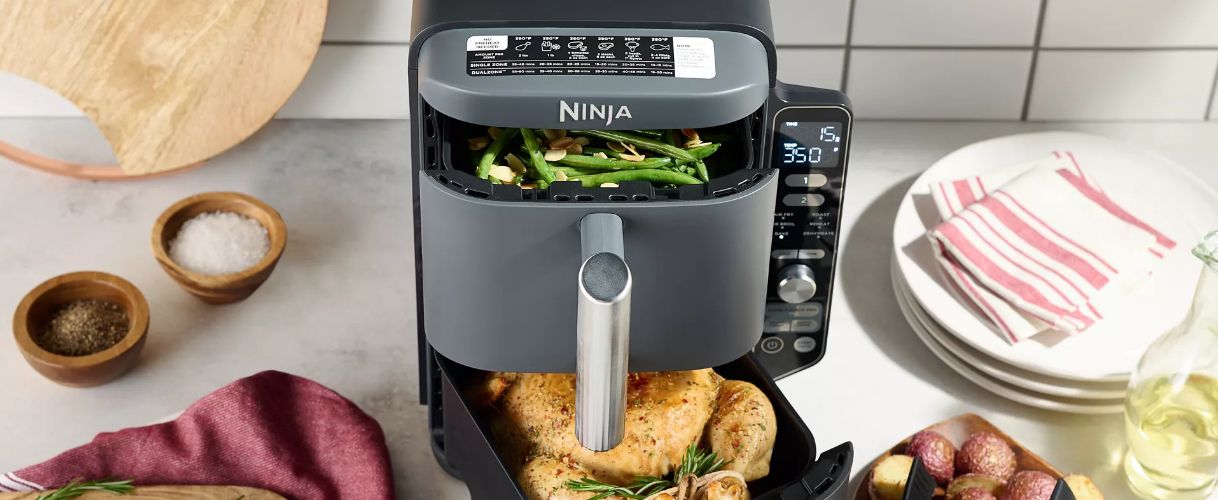
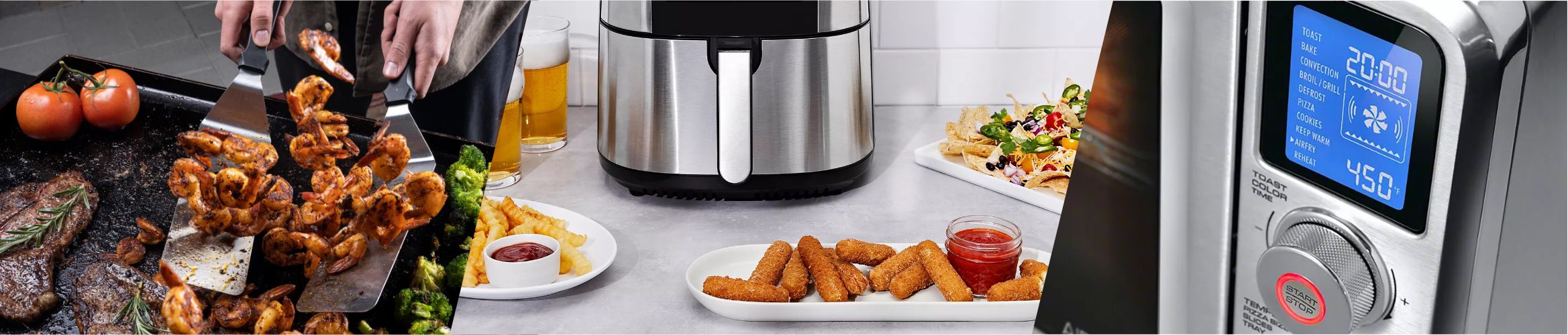
An air fryer is essentially a convection oven in miniature, but the downsized chamber means that circulating air strikes food with force, sealing starches and proteins. Fries emerge bronze and crunchy with one tablespoon of oil; breaded shrimp stay juicy beneath a delicate shell; even a plain chicken breast tastes like it came off a rotisserie thanks to rapid, even browning.
Beyond less oil, more flavor classics, the possibilities keep unfolding. Toss Brussels sprouts with olive oil, garlic, and pepper flakes: seven minutes later they’re charred like restaurant tapas. Slide in two salmon fillets over lemon slices for a ten-minute weeknight entrée that leaves the big oven cold and the kitchen cool. Bakers love the fryer’s ability to handle small batches of muffins or hand pies without the pre-heat wait. And parents have discovered the secret to reviving yesterday’s takeaway; five minutes at 350 °F brings stale fries or soggy pizza back to life.
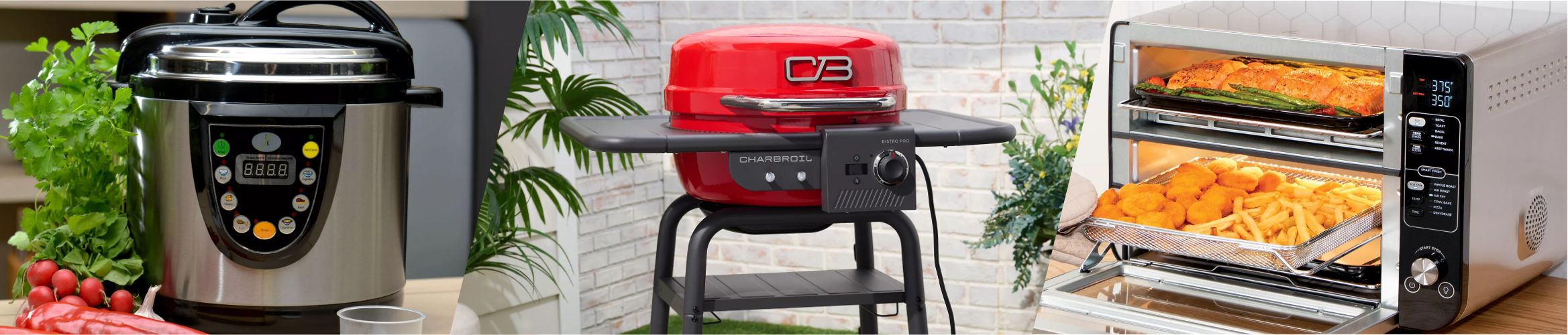
If counter real estate is tight, seek an air-fryer-oven hybrid: it toasts, bakes, roasts, and air-fries in one footprint, replacing your toaster and freeing cabinet space.
For a deeper dive into choosing, using, and cleaning these countertop dynamos, head over to our Complete Air Fryer Guide for all the crispy details.
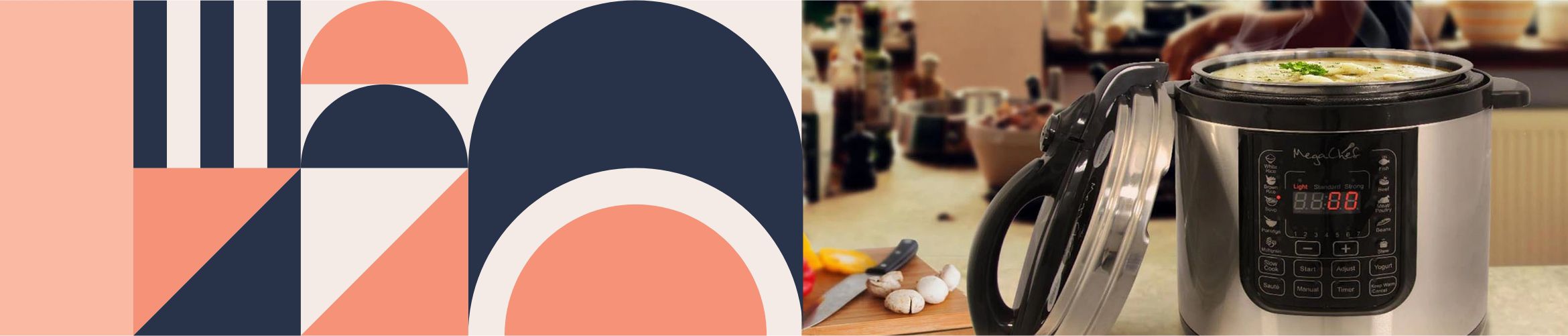
Think of a pressure cooker as a time machine for food. By locking steam in a sealed vessel, it raises internal boiling temperature to about 250 °F. Tough collagen quickly converts to gelatin; dried beans skip the overnight soak; brown rice becomes tender in twenty minutes. Flavors don’t drift away with steam, they’re driven deep, producing broths and sauces that taste as though they’ve simmered all day.
Modern electric models add presets and sauté functions, so you can caramelize onions, deglaze with wine, layer in broth and veg, then press “Soup” and walk away. In an hour you’ll ladle out a stockpot’s worth of flavor, having washed only one insert.
Safety is as straightforward as following a few non-negotiables. First, always include enough thin liquid (water, stock, or wine) to generate steam, most manufacturers specify one cup minimum. Second, respect the maximum fill lines; expanding foods like beans or grains need extra headroom to prevent foaming into the valve. Third, become friends with pressure release. A natural release, simply waiting, works for soups and meats, letting bubbling settle. Quick release suits vegetables you want to keep crisp. Keep your face and hands away from the vent path and never force the lid: only when the float valve drops is it safe to open. Maintain the silicone sealing ring: if it’s cracked or stretched, replace it, the ring is the guardian of pressure.
Master these basics and you’ll leap from weekday chili to weekend cheesecake (yes, the moist pressurized environment bakes a crack-free cheesecake) with ease.
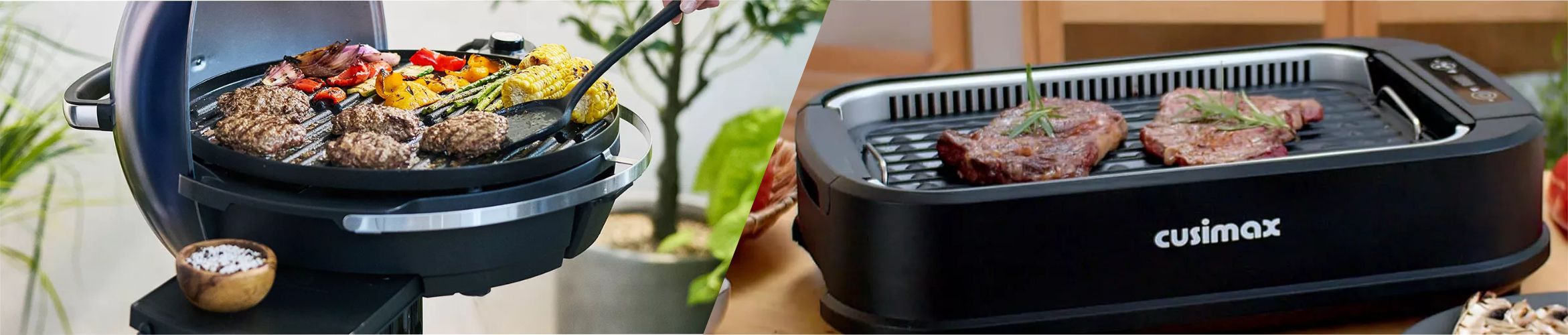
Gas grills ignite with a twist of the knob, dial up or down like your stove, and clean up fast, perfect for spontaneous Tuesday kabobs or a stack of veggie skewers when friends drop by. Because heat is adjustable by zone, you can reverse-sear a steak: low-roast it to 110 °F on one side, then blast over the high burner for that steak-house crust.
Charcoal, on the other hand, is ritual and romance. Lighting briquettes or lump wood, waiting for them to ash over, and swirling the aromatic smoke around tomatoes or peaches lends flavor gas simply can’t replicate. Bank coals to one side for a two-zone setup: you can sear burgers then slide them to the cool zone to finish without burning. Yes, cleanup means dumping ashes, but flavor lovers swear it’s worth every ember.
Routine care of both types is simpler than rumors imply: a stiff brush while grates are still hot preventing buildup; a yearly deep scrub keeps burners or vents clear. Invest in a quality thermometer (guessing is the enemy of juicy meat) and a long spatula so you don’t singe forearms reaching over the fire.
Craving grill marks in February? Countertop contact grills deliver. With ridged non-stick plates that clamp over food, you’ll press marinated chicken breasts, zucchini ribbons, or even panini sandwiches to restaurant-style lines in minutes. Models with floating hinges adjust to thicker steaks; removable plates drop into the dishwasher. Because fat drips into a catch tray instead of flaring, smoke stays minimal, great for apartment kitchens.
Quick dinner idea: brush salmon fillets with maple and Dijon, close the grill for six minutes, serve over spinach salad; no flipping required, no lingering odor.
Convection uses a fan to circulate hot air, yielding faster, more even cooking; conventional ovens heat by stationary radiant coils.
A three-quart unit suits soups for two, while a six- to eight-quart pot handles family roasts and entertaining.
Only pressure canners certified for canning reach the regulated pressure and size requirements for safe preservation.
They can cut oil consumption, reducing fat and calories while delivering a crisp texture reminiscent of deep-frying.
Keep a spray bottle for flare-ups, position grills on stable, ventilated surfaces, and use heat-resistant gloves and long-handled tools. Consult your manual while setting up your grill for best practices.
Kitchen appliances are more than metal and circuitry, they’re invitations. An air fryer invites you to indulge mid-week without guilt; a pressure cooker invites hearty stews into a schedule that barely has 45 minutes for dinner; a charcoal kettle invites neighbors over for smoky Saturday ribs. Choose the tool that matches your cooking dreams, treat it well, and let it widen the flavors you bring home. The future of home food isn’t complicated; it’s plugged in, pressurized, sometimes fan-assisted, and always about gathering people around a table that feels richer with every new bite.


Get sneak previews of special offers & upcoming events delivered to your inbox.
*You're signing up to receive QVC promotional email.
Find recent orders, do a return or exchange, create a Wish List & more.
Enjoy 12+ VIP Savings Events a year (& more!).






Privacy StatementGeneral Terms of Use
QVC is not responsible for the availability, content, security, policies, or practices of the above referenced third-party linked sites nor liable for statements, claims, opinions, or representations contained therein. QVC's Privacy Statement does not apply to these third-party web sites.
© 1995-2026 QVC Group, Inc. All rights reserved. | QVC, Q and the Q logo are registered service marks of ER Marks, Inc. 888-345-5788

